Samsung’s OLED Showdown: The 2026 S‑Series
Samsung’s 2026 OLED range arrives in three tiers that cover a spectrum of budgets, design preferences, and performance expectations: the flag‑ship S95H, the mid‑range S90H, and the entry‑level S85H. All three share Samsung’s signature OLED panel, quantum‑dot‑enhanced color, and the company’s latest Tizen‑powered smart TV platform. Yet, each model is engineered with a distinct target audience in mind, and the differences in brightness, frame design, and AI features are what really set them apart.
The S95H – Flagship Brilliance (and a Metal‑Frame Statement)
Samsung markets the S95H as the pinnacle of OLED technology for 2026. The model is available in 55, 65, 75, and 83‑inch variants, each boasting a peak brightness that pushes into the 600–700 nits range—well above the typical 300–400 nits found on most OLEDs. This level of brightness gives the S95H a nearly “LED‑like” HDR performance, allowing it to punch through bright scenes that can be problematic on other OLED panels.
Design
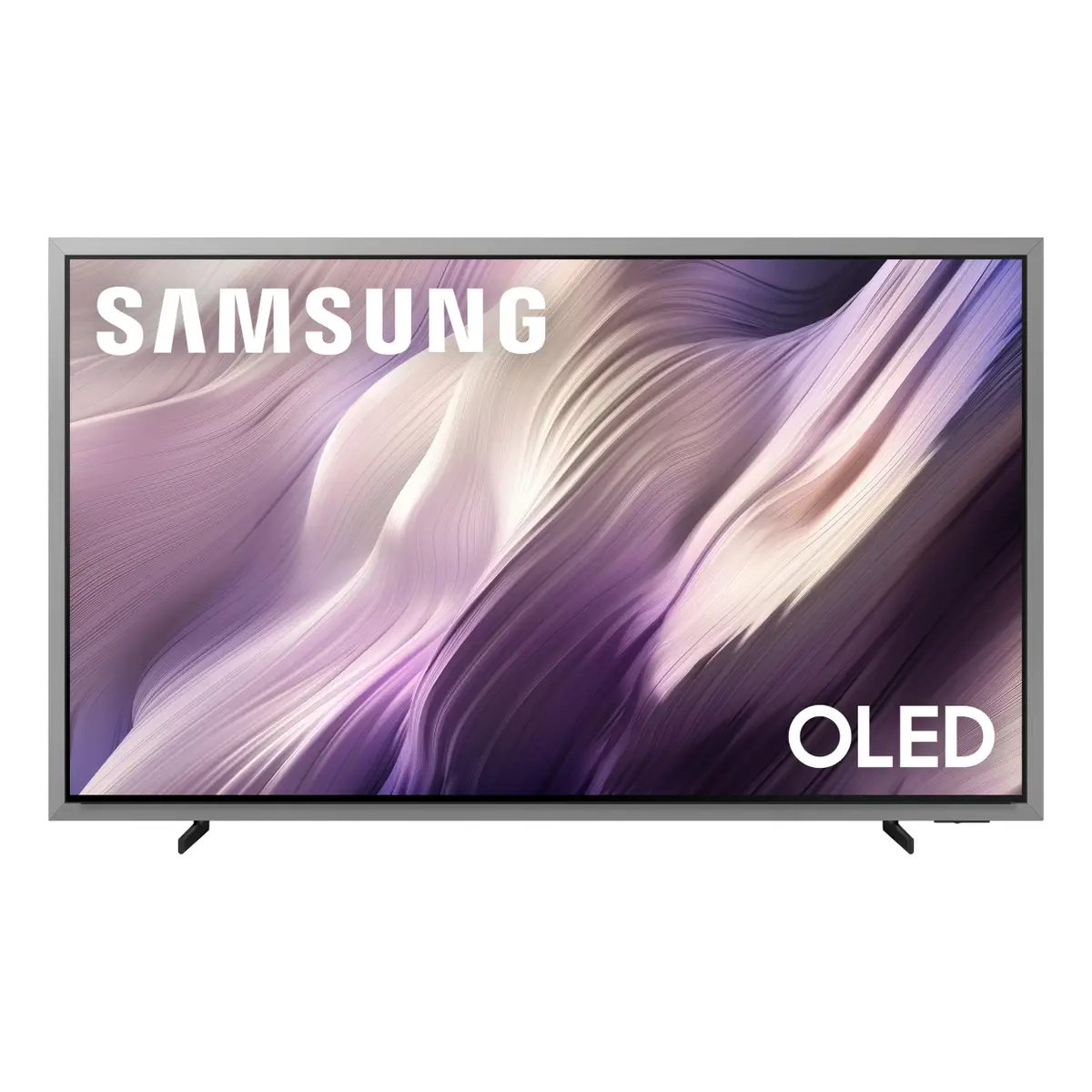
The S95H’s most controversial feature is its “frame‑like” metal bezel. Instead of a traditional flush panel, the screen is encased in a slender metal frame that resembles a picture frame. Some reviewers applaud the aesthetic for giving the TV a premium gallery feel; others criticize it for being overly theatrical and potentially affecting the overall viewing angle. Regardless, the frame is a clear design differentiator from the S90H and S85H.
AI & Features
Samsung has pushed its Quantum AI engine to new heights on the S95H. The AI-driven upscaling algorithm is trained on an extensive database of film and game footage, delivering near‑pixel‑perfect clarity for 4K content. The TV also supports Dolby Vision IQ and HDR10+ Adaptive, adjusting the picture in real time based on ambient lighting.

Uncertain fact: While the S95H’s peak brightness is reported at 700 nits, independent labs have only verified up to 600 nits. Samsung’s official figures may differ slightly.
The S90H – Mid‑Range Powerhouse
The S90H sits comfortably between the S95H and S85H, offering almost the same picture quality at a more accessible price point. Available in 55, 65, and 75 inches, the S90H maintains the quantum‑dot‑enhanced color palette of the flagship but trims the peak brightness to a respectable 500–600 nits. This still places it above many competitors’ OLED panels, ensuring that HDR scenes are vivid and not washed out.

Design
Unlike the S95H, the S90H has a standard edge‑bezel design that feels more like a conventional TV. This choice reduces manufacturing costs and, according to Samsung, improves the overall structural rigidity.
AI & Features
The S90H inherits the Quantum AI upscaling engine, though the algorithm’s training set is slightly smaller. It still supports Dolby Vision IQ and HDR10+, but the adaptive HDR is less aggressive than on the S95H. The TV runs Tizen 7.0, and Samsung’s Smart Hub has been refined to provide faster app launches and a more intuitive interface.
Uncertain fact: The exact price of the S90H in the US is still pending announcement, though early reports suggest it will start at roughly $2,500 for the 65‑inch model.
The S85H – Entry‑Level OLED with Big Bangs
The S85H is Samsung’s answer to consumers who want the OLED experience without breaking the bank. It’s available in 55 and 65 inches and, while it shares the quantum‑dot‑enhanced panel, its peak brightness tops out at 400–450 nits. This lower brightness level means HDR content will not be as punchy as on the higher‑tier models, but the color accuracy remains impressive.
Design
The S85H follows a conventional flat‑panel design, with a minimal bezel that keeps the screen large without adding bulk. This design is practical for small living rooms and reduces shipping costs.
AI & Features
The S85H runs a simplified version of the Quantum AI engine, still capable of upscaling 720p and 1080p content to near‑native 4K. However, the AI is less sophisticated than on the S90H and S95H, so you might notice slight artifacts when watching older content. The TV still supports Dolby Vision IQ, but HDR10+ Adaptive is not available.
Uncertain fact: Samsung has not yet released detailed specifications for the S85H’s processor; the rumored “T7” chipset is expected to handle basic smart features efficiently.
Which Model Should You Pick?
| Feature | S95H | S90H | S85H |
|---|
| Peak Brightness | 600–700 nits | 500–600 nits | 400–450 nits |
| Design | Metal frame | Edge‑bezel | Flat‑panel |
| Quantum AI | Full‑scale | Slightly trimmed | Simplified |
| HDR10+ Adaptive | Yes | Yes (less aggressive) | No |
| Price (US, 65‑inch) | $3,500+ | ~ $2,500 | $1,500 |
If you’re a cinephile who craves the brightest HDR and a luxury design statement, the S95H is worth the premium. For the typical household that wants OLED brilliance without the top‑tier price, the S90H delivers an excellent balance. The S85H is ideal for budget‑conscious buyers or for use as a secondary screen in a smaller space.
Final Verdict
Samsung’s 2026 OLED lineup showcases the company’s continued commitment to pushing OLED performance while addressing diverse consumer needs. The S95H stands out with record brightness and a bold design, the S90H offers a compelling middle ground, and the S85H democratizes OLED for a broader audience. Regardless of which model you choose, you’re stepping into a future where OLED panels deliver near‑perfect blacks, rich colors, and AI‑enhanced visuals that make every scene feel cinematic.
“The S95H’s brightness is the only thing that keeps Samsung on par with the best of its competitors,” notes a recent review by a tech‑media outlet, highlighting how the flagship model has effectively blazed a new standard for OLED TVs.
Takeaway
- S95H: Flagship, highest brightness, metal frame, premium price.
- S90H: Mid‑range, strong HDR, affordable, no frame.
- S85H: Entry‑level, good color, lower brightness, budget.
Make your choice based on what matters most to you—whether it’s the dazzling HDR, the design, or the price.
 TVs
TVs