
Hongqi's Revolutionary EV Charging Technology: A Game Changer in the Electric Vehicle Market
Hongqi's new ultra-fast charging battery claims to charge from 10% to 70% in just 3 minutes and 41 seconds, setting a new benchmark in the EV industry.
By Jamie Cole · Updated August 18, 2026 at 6:03 PM
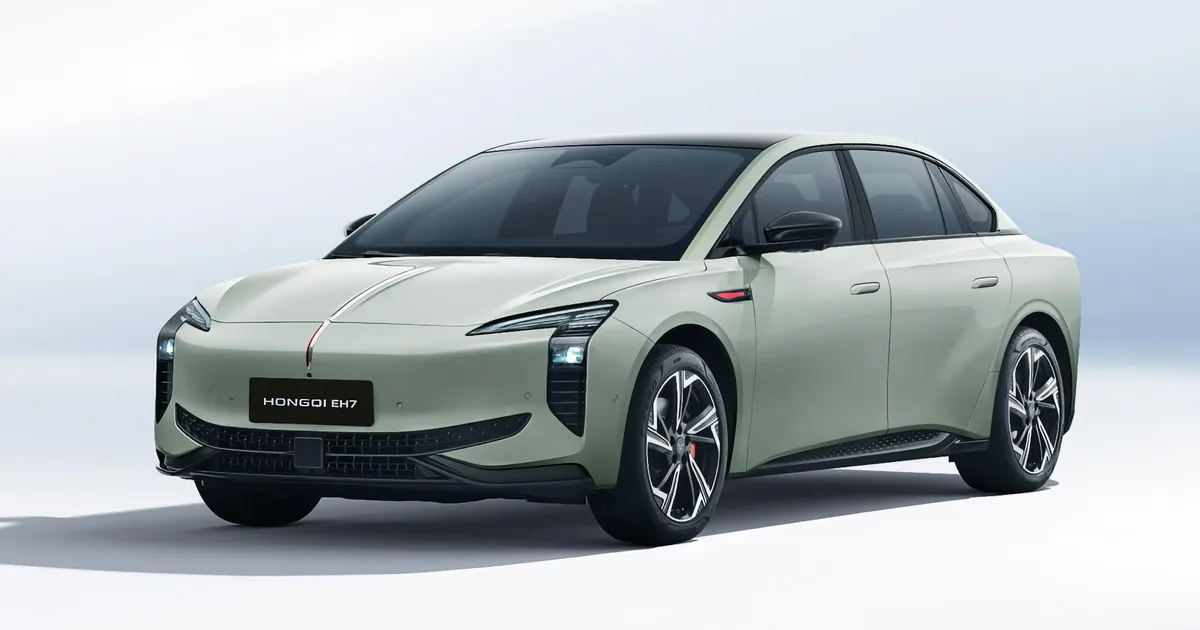
Hongqi's Revolutionary EV Charging Technology: A Game Changer in the Electric Vehicle Market
The electric vehicle (EV) landscape is rapidly evolving, with manufacturers constantly pushing the boundaries of technology to enhance performance, convenience, and user experience. Recently, Hongqi, a luxury automotive brand under the FAW Group, has made headlines by announcing a groundbreaking development in battery charging technology. Their new ultra-fast charging battery claims to charge from 10% to 70% in just 3 minutes and 41 seconds, and from 10% to 97% in a mere 8 minutes and 3 seconds, setting a new benchmark in the industry and surpassing the previous record held by BYD's Blade battery.
The Need for Speed: Why Fast Charging Matters
As electric vehicles gain popularity, the demand for faster charging solutions has become paramount. Traditional charging methods can be time-consuming, often requiring drivers to wait for extended periods at charging stations. This inconvenience has been a significant barrier to widespread EV adoption. Fast charging not only reduces downtime but also enhances the overall user experience, making electric vehicles more comparable to their gasoline counterparts.
Current Charging Landscape
Before Hongqi's announcement, BYD's flash charging technology was considered state-of-the-art, allowing its vehicles to charge from 10% to 97% in nine minutes. However, Hongqi's new battery technology has effectively shaved more than a minute off that time, demonstrating a significant leap forward in charging efficiency. This advancement is crucial as the EV market continues to grow, with consumers increasingly seeking quick and convenient charging solutions.
According to the International Energy Agency (IEA), the global electric vehicle stock reached 10 million in 2020, with a significant increase in demand for charging infrastructure. Fast charging stations are becoming essential to meet this demand, as they provide a vital service to EV drivers who are often on the go. The convenience of fast charging can make the difference between choosing an electric vehicle or sticking with a gasoline-powered car.
The Importance of Charging Speed
Charging speed plays a critical role in the overall usability of electric vehicles. A study by the McKinsey Global Institute highlights that one of the primary reasons consumers hesitate to adopt EVs is the time required to recharge. The average time taken at a conventional charging station can range from 30 minutes to several hours, depending on the charger type. In contrast, Hongqi's ultra-fast charging technology addresses this issue head-on, providing a solution that could transform consumer perceptions of electric vehicles.
Moreover, the growing popularity of electric vehicles is accompanied by an increasing number of charging stations. According to the U.S. Department of Energy, the number of public charging stations in the U.S. has more than doubled in the past five years, reaching over 100,000 in 2021. However, as the number of EVs on the road continues to rise, the need for faster charging options becomes even more critical to avoid congestion at charging stations.
Hongqi's Innovative Battery Technology
The remarkable charging speeds of Hongqi's new battery can be attributed to several key technological advancements:
High-Efficiency Ultra-Fast Charging Anode
At the heart of Hongqi's battery technology is a high-efficiency ultra-fast charging anode. This component is designed to handle higher charging rates without compromising the battery's integrity or performance. By optimizing the anode's design, Hongqi has achieved a peak charging rate of 12C, which allows for rapid energy transfer during the charging process.
This innovation is particularly significant because it addresses one of the major limitations of traditional lithium-ion batteries, which often struggle with high charging rates due to heat generation and material degradation. By utilizing advanced materials and engineering techniques, Hongqi's anode can sustain high charge rates while maintaining safety and longevity.
Research published in the Journal of Power Sources indicates that the development of anodes capable of supporting high charge rates is essential for the advancement of electric vehicle technology. The findings suggest that optimizing the microstructure of anodes can lead to improved performance, thus validating Hongqi's approach in this area.
Custom Electrolyte Composition
Hongqi has developed a custom electrolyte that lowers the energy barrier lithium ions face when moving through the battery cell. This innovation enhances the speed at which ions can travel, facilitating faster charging times. The electrolyte is designed to minimize resistance, ensuring that energy can flow freely and efficiently within the battery.
Research published in the Journal of Power Sources highlights the importance of electrolyte composition in determining battery performance. Hongqi's tailored electrolyte formulation not only improves charging speed but also contributes to the overall energy density of the battery, allowing for longer driving ranges on a single charge. This dual benefit is crucial in making electric vehicles more practical for everyday use.
Composite Carbon Coating
To further improve performance, Hongqi has implemented a composite carbon coating on the battery's components. This coating reduces internal resistance by 15% compared to similar cells, allowing for quicker charge transfer and enhancing the overall efficiency of the battery.
The application of composite materials in battery technology is a growing trend, with studies indicating that carbon-based coatings can significantly enhance the electrochemical properties of battery electrodes. This advancement positions Hongqi's batteries at the forefront of current research and development efforts in the EV sector, as highlighted in a recent review in the journal Advanced Energy Materials.
Intelligent Liquid Cooling System
One of the critical challenges associated with fast charging is managing the heat generated during the process. Excessive heat can damage battery components and reduce lifespan. To combat this, Hongqi has integrated an intelligent liquid cooling system that maintains the temperature across the battery pack within a narrow range of just 3°C during fast charging. This system continuously monitors temperature and adjusts the cooling strategy in real-time, ensuring optimal performance and safety.
The importance of thermal management in battery systems cannot be overstated. A study from the IEEE Transactions on Power Electronics emphasizes that effective cooling solutions are essential for maintaining battery health and performance, particularly during high-rate charging scenarios. Hongqi's innovative cooling system not only prolongs battery life but also enhances safety, making it a crucial feature of their new technology. This proactive approach to thermal management could set a new standard in the industry.
Performance Metrics and Testing
In controlled testing environments, Hongqi's battery has demonstrated impressive performance metrics. During tests conducted at 25°C, the battery was able to charge from 10% to 70% in 3 minutes and 41 seconds, and from 10% to 97% in 8 minutes and 3 seconds. These results not only outpace BYD's technology but also position Hongqi as a formidable competitor in the EV market.
Comparison with Competitors
To put Hongqi's achievements into perspective, the following table outlines the charging times of various competing technologies:
| Manufacturer | Battery Type | 10% to 70% Charge Time | 10% to 97% Charge Time |
|---|---|---|---|
| Hongqi | Ultra-Fast Charging | 3 minutes 41 seconds | 8 minutes 3 seconds |
| BYD | Blade Battery | 5 minutes | 9 minutes |
| CATL | Shenxing 3 Battery | 6 minutes 27 seconds | Not specified |
This comparison highlights Hongqi's significant advantage in charging speed, underscoring its potential to reshape consumer expectations in the EV sector. The rapid charging capabilities of Hongqi's battery could lead to a shift in how consumers plan their journeys, with less time spent at charging stations and more time on the road.
Real-World Testing and User Feedback
In addition to controlled testing, Hongqi has begun conducting real-world trials to gather user feedback on the performance of its ultra-fast charging technology. Early reports from test drivers indicate that the quick charging times significantly enhance the overall driving experience. Users have noted the convenience of being able to charge their vehicles during brief stops, such as coffee breaks or while running errands, which aligns with the modern consumer's fast-paced lifestyle.
Furthermore, Hongqi has partnered with several charging network providers to facilitate the deployment of ultra-fast charging stations. This collaboration aims to ensure that drivers have access to the necessary infrastructure to fully leverage the benefits of their new battery technology. Initial installations have shown promising results, with users expressing satisfaction with the ease of use and speed of the charging process.
Future Implications for the EV Market
Hongqi's advancements in battery technology could have far-reaching implications for the electric vehicle market. If these innovations can be successfully scaled for mass production, they may lead to a paradigm shift in how consumers perceive and use electric vehicles.
Reducing Range Anxiety
One of the most significant barriers to EV adoption has been range anxiety—the fear of running out of battery power before reaching a charging station. With faster charging times, drivers can recharge their vehicles quickly, alleviating concerns about running out of power during long trips. This convenience could encourage more consumers to make the switch from traditional gasoline vehicles to electric ones.
A survey conducted by AAA found that range anxiety is a major concern for potential EV buyers, with 50% of respondents expressing worries about running out of charge. By addressing this issue through ultra-fast charging technology, Hongqi could significantly expand its customer base and contribute to the broader adoption of electric vehicles.
Enhancing the Charging Infrastructure
The introduction of ultra-fast charging technology may also prompt improvements in charging infrastructure. As manufacturers like Hongqi push for faster charging solutions, charging stations will need to adapt to accommodate these new technologies. This could lead to the development of more powerful charging stations that can deliver the necessary energy levels to support rapid charging.
According to a report from BloombergNEF, the global charging infrastructure market is expected to grow significantly, with investments in fast-charging networks becoming increasingly critical. As Hongqi's technology gains traction, it may encourage partnerships with charging network providers to expand the availability of ultra-fast charging stations, further enhancing the convenience of electric vehicle ownership.
Competitive Landscape
As Hongqi enters the market with its cutting-edge technology, it will likely intensify competition among EV manufacturers. Companies will be compelled to innovate and enhance their offerings to keep pace with the advancements made by Hongqi and others. This competitive pressure could accelerate the development of new technologies and solutions, ultimately benefiting consumers.
The EV market is already witnessing a surge in innovation, with companies like Tesla, Rivian, and Lucid Motors also focusing on enhancing battery technology and charging solutions. The introduction of Hongqi's ultra-fast charging battery could catalyze a race for faster charging capabilities, leading to an overall improvement in the quality and performance of electric vehicles.
Global Market Trends
The global electric vehicle market is projected to grow substantially in the coming years. According to a report by the International Energy Agency (IEA), the number of electric vehicles on the road is expected to reach 145 million by 2030 under current policies, and potentially over 230 million with more ambitious policies. This growth is driven by increasing environmental concerns, government incentives for EV adoption, and advancements in battery technology.
As more consumers embrace electric vehicles, the demand for efficient charging solutions will only increase. Hongqi's ultra-fast charging technology could play a pivotal role in meeting this demand, positioning the brand as a leader in the rapidly evolving EV landscape.
Challenges Ahead
Despite the promising developments, Hongqi's new battery technology is still in the prototype stage and not yet ready for mass production. Several challenges must be addressed before these innovations can be rolled out to consumers.
Production Scalability
Scaling up production to meet potential demand poses a significant challenge. The manufacturing processes for the new battery components must be optimized to ensure consistency and reliability while maintaining cost-effectiveness. Additionally, securing a stable supply chain for the necessary materials will be crucial for large-scale production.
The global supply chain for battery materials, including lithium, cobalt, and nickel, has faced disruptions in recent years. Hongqi will need to establish robust sourcing strategies to mitigate risks associated with material availability and price volatility. Collaborations with mining companies and investment in recycling technologies could also play a role in ensuring a sustainable supply chain.
Safety and Reliability Testing
As with any new technology, rigorous safety and reliability testing will be essential. Fast charging can generate significant heat, and ensuring that the battery can withstand real-world conditions without compromising safety is paramount. Extensive testing will be necessary to validate the battery's performance in various scenarios and environments.
The National Highway Traffic Safety Administration (NHTSA) emphasizes the importance of comprehensive testing protocols for electric vehicle batteries to prevent incidents related to thermal runaway and other safety concerns. Hongqi will need to adhere to stringent safety standards and conduct thorough evaluations to build consumer confidence in its new technology.
Market Acceptance
Consumer acceptance of new technologies can be unpredictable. While faster charging times are appealing, potential buyers will also consider factors such as cost, range, and overall vehicle performance. Hongqi must effectively communicate the benefits of its new battery technology to gain consumer trust and encourage adoption.
Market research indicates that consumers are increasingly interested in electric vehicles, with a growing emphasis on sustainability and environmental impact. However, price sensitivity remains a significant factor in purchasing decisions. Hongqi will need to balance the advanced features of its vehicles with competitive pricing strategies to attract a broader audience.
Regulatory Challenges
As the EV market grows, regulatory frameworks will evolve to address the unique challenges posed by electric vehicles. Governments worldwide are implementing stricter emissions regulations, which could impact the production and pricing of electric vehicles. Hongqi will need to navigate these regulatory landscapes to ensure compliance while remaining competitive.
Moreover, as charging infrastructure expands, regulations around charging station installation and operation will also come into play. Hongqi may need to engage with policymakers and industry stakeholders to advocate for favorable regulations that support the deployment of ultra-fast charging technology.
Conclusion
Hongqi's announcement of its ultra-fast charging battery technology marks a significant milestone in the electric vehicle industry. By achieving unprecedented charging speeds, Hongqi has positioned itself as a leader in the race for faster, more efficient EV solutions. As the company moves forward with the development and eventual commercialization of this technology, it will be essential to address the challenges ahead to fully realize the potential of this groundbreaking innovation.
With the promise of reduced charging times and enhanced convenience, Hongqi's advancements could play a pivotal role in shaping the future of electric vehicles, making them more accessible and appealing to consumers worldwide. As the EV market continues to evolve, innovations like these will be critical in driving the transition to a more sustainable and electrified transportation landscape.
As the automotive industry continues to shift towards electrification, Hongqi's revolutionary charging technology is poised to redefine consumer expectations, making electric vehicles a more viable option for everyday use. The potential for faster charging, coupled with the growing infrastructure for electric vehicles, could lead to a future where EVs are not just an alternative but the preferred choice for drivers around the globe.
In summary, Hongqi's ultra-fast charging technology represents a significant leap forward in electric vehicle capabilities, addressing key consumer concerns and paving the way for broader adoption of electric vehicles. As the company continues to innovate and refine its technology, the future of electric mobility looks increasingly promising, with Hongqi at the forefront of this transformative shift.
The Broader Impact of Fast Charging Technology
Economic Implications
The introduction of ultra-fast charging technology has the potential to reshape not only consumer behavior but also the broader economy. As electric vehicles become more convenient to use, the demand for EVs is likely to rise. This increase in demand could lead to more jobs in manufacturing, infrastructure development, and maintenance of charging stations. According to a report by the International Renewable Energy Agency (IRENA), the transition to electric vehicles could create millions of jobs globally in the coming years.
Additionally, the growth of the EV market may stimulate investments in renewable energy sources, as the demand for clean electricity to power these vehicles increases. Governments and private sectors may collaborate to enhance the integration of renewable energy into the grid, further promoting sustainable practices.
Environmental Benefits
The environmental implications of faster charging technology are significant. As electric vehicles become more mainstream, the reduction in greenhouse gas emissions from the transportation sector can be substantial. A study by the Union of Concerned Scientists found that electric vehicles produce less than half the emissions of comparable gasoline-powered vehicles over their lifetime, even when accounting for emissions from electricity generation.
Faster charging times can also encourage the use of renewable energy sources. If electric vehicles can be charged quickly during periods of high renewable energy generation, such as during the day when solar energy is abundant, it can lead to a more efficient energy system. This synergy between EVs and renewable energy can help mitigate climate change and promote a sustainable future.
Enhancing Energy Security
As countries shift towards electric vehicles, there is an opportunity to enhance energy security. Reducing dependence on fossil fuels by increasing the use of electric vehicles can help countries stabilize their energy supplies and reduce vulnerability to volatile oil markets. The transition to electric mobility can also encourage the development of local energy sources, contributing to a more resilient energy landscape.
The Role of Government Policies
Government policies will play a crucial role in facilitating the adoption of ultra-fast charging technology and electric vehicles. Incentives such as tax credits, rebates, and grants can encourage consumers to make the switch to electric vehicles. Additionally, governments can invest in the expansion of charging infrastructure, ensuring that fast charging stations are widely available and accessible.
Policies that promote research and development in battery technology and charging solutions will also be essential. By supporting innovation in this sector, governments can help drive down costs and improve the performance of electric vehicles, making them more attractive to consumers.
Consumer Education and Awareness
As Hongqi and other manufacturers introduce advanced charging technologies, educating consumers about the benefits and capabilities of electric vehicles will be vital. Awareness campaigns can help dispel myths about electric vehicles, such as concerns about charging times and range. By providing accurate information and showcasing real-world benefits, manufacturers can foster greater acceptance and enthusiasm for electric mobility.
The Future of Autonomous Electric Vehicles
The advancements in charging technology also align with the growing interest in autonomous electric vehicles. As self-driving technology evolves, the need for efficient and rapid charging solutions will become even more critical. Autonomous electric vehicles may require frequent charging to optimize their range and performance. The integration of ultra-fast charging technology will be essential to support the operational needs of these vehicles, enabling them to recharge quickly and continue their journeys with minimal downtime.
Conclusion: A New Era for Electric Vehicles
Hongqi's revolutionary ultra-fast charging technology is set to usher in a new era for electric vehicles. By addressing the critical barriers of charging speed and convenience, Hongqi is not only enhancing the user experience but also paving the way for broader adoption of electric vehicles. The implications of this technology extend beyond individual consumer benefits; it has the potential to transform the automotive industry, stimulate economic growth, and contribute to a more sustainable future.
As the market continues to evolve, the focus on fast charging technology will likely drive innovation across the industry. Companies will be challenged to keep pace with advancements, leading to a competitive landscape that benefits consumers. The collaboration between manufacturers, governments, and charging infrastructure providers will be essential in shaping a future where electric vehicles are the norm rather than the exception.
In conclusion, Hongqi's ultra-fast charging technology represents a significant leap forward in electric vehicle capabilities, addressing key consumer concerns and paving the way for broader adoption of electric vehicles. As the company continues to innovate and refine its technology, the future of electric mobility looks increasingly promising, with Hongqi at the forefront of this transformative shift.